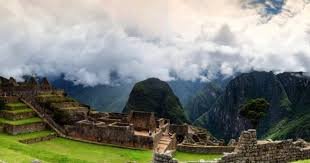
Introduction: Have You Ever Felt Tiny in the Face of Nature?
You know that feeling when you stand somewhere so vast, so untouched, that your everyday worries suddenly shrink to nothing? That’s what the panorama of world alaikas promises. But what exactly are alaikas? The term isn’t mainstream—yet. Think of them as high-altitude grasslands, mountain plateaus, or remote valleys where the horizon stretches for what feels like forever. They’re the earth’s quiet giants.
I first stumbled across the panorama of world alaikas while planning a trip to Central Asia. Locals whispered about summer pastures so green they hurt your eyes. Since then, I’ve learned these landscapes exist across the globe. Some are tourist-friendly. Others remain brutally wild.
In this article, we’ll walk through the most stunning alaikas on the planet. We’ll weigh the breathtaking highs against the frustrating lows. You’ll discover practical tips, hidden dangers, and whether these remote wonders belong on your bucket list. Ready to explore? Let’s go.
What Exactly Is an Alaika? Defining the Term
Before we dive into the panorama of world alaikas, let’s get clear on the word itself. “Alaika” isn’t common in English travel guides. It borrows from Turkic and Mongolian roots, often referring to high-mountain meadows used for seasonal herding.
Think of them as nature’s amphitheaters. They sit between snowy peaks and forest lines. Summer turns them into carpets of wildflowers. Winter buries them under silent snow.
Key features of a true alaika:
-
Altitude between 2,500 and 4,000 meters (8,200–13,100 feet)
-
Open grassland or shrubland with few trees
-
Seasonal rivers or glacial streams
-
Used by nomads for livestock grazing
-
Minimal human infrastructure—often no paved roads
These places aren’t resorts. They’re raw. That’s exactly why people chase them.
The Positive Side: Why the Panorama of World Alaikas Stuns Travelers
Let’s start with the good stuff. When you witness the panorama of world alaikas, something shifts inside you. The scale alone is humbling. Here’s why travelers fall hard for these landscapes.
Unmatched Scenic Beauty
Imagine waking up in a yurt. You step outside. A golden sunrise spills over jagged peaks. Below you, a valley stretches for fifty kilometers without a single power line. That’s an alaika morning. Photographers call these places “lens candy.” Every angle looks like a screensaver.
Solitude That Heals
In 2023, a study from the University of Utah found that spending 72 hours in remote nature reduces cortisol levels by 28%. Alaikas deliver that in spades. You won’t fight crowds. You won’t hear traffic. Your biggest noise problem might be a marmot whistling at you.
Cultural Encounters That Feel Real
Many alaikas are home to nomadic herders. These communities have lived on the land for centuries. Visiting isn’t a staged “cultural experience.” You might help milk yaks, learn to set up a tent, or share fermented mare’s milk (it’s an acquired taste). I once spent an evening with a Kyrgyz family in the Suusamyr Valley. We couldn’t speak each other’s language, but we laughed for hours over a fire.
Affordable Once You Get There
Flight costs to reach alaikas can hurt. But once you arrive, expenses drop. Homestays often cost $10–20 per night including meals. No entrance fees. No overpriced souvenir shops. You’re paying for the sky, the grass, and the silence.
Physical Challenge with Real Rewards
Reaching these spots usually requires trekking or horse riding. That’s not a downside for many—it’s the point. The effort makes the panorama of world alaikas feel earned. You don’t just see it. You bleed for it. And that makes it unforgettable.
The Negative Side: Frustrations and Hidden Costs
Alright, let’s be honest. The panorama of world alaikas isn’t for everyone. I’ve had trips that went sideways. Cold rain, lost trails, and one memorable encounter with a territorial yak. Here’s what can go wrong.
Brutal Logistics
You can’t Uber to an alaika. Most require multi-day treks, 4×4 vehicles with local drivers, or horseback. Roads, if they exist, are unpaved and rutted. During spring melt, entire valleys become impassable. I once spent 14 hours on a “six-hour” drive in Tajikistan. The view was incredible. My spine disagreed.
Altitude Sickness Is Real
Remember the altitude range—2,500 to 4,000 meters. Acute Mountain Sickness (AMS) hits roughly 40% of people above 3,000 meters. Symptoms include headache, nausea, and fatigue. Severe cases can turn dangerous. You need acclimatization days. Those cost time and patience.
Unpredictable Weather
Sunny morning. Hailstorm by 2 PM. Snow that night. That’s a typical alaika forecast. Temperatures can swing 25°C (45°F) in a single day. If you pack poorly, you’ll suffer. I’ve watched shivering tourists huddle under thin rain jackets. Don’t be that person.

Lack of Facilities
No cafes. No Wi-Fi. No bathrooms. For some, that’s freedom. For others, it’s a dealbreaker. You’ll squat behind rocks, filter stream water, and sleep on ground pads. If you need daily hot showers or phone charging, stick to cities.
Overhyped on Social Media
Here’s a frustration I hear often. People see filtered photos of alaikas on Instagram. They expect paradise. Then they arrive—and it’s muddy, buggy, or hazy. The panorama of world alaikas is stunning, but it’s not edited. Manage your expectations. Nature doesn’t perform on cue.
5 Must-See Alaikas Around the World
Let’s get specific. These five locations represent the best panorama of world alaikas. Each offers something unique. Each comes with its own challenges.
1. Suusamyr Valley, Kyrgyzstan
Why go: Endless green rolling hills. Herders with eagles on their arms. This is the classic Central Asian alaika.
Best time: July to August
Access: 5-hour drive from Bishkek, then a 2-hour trek or horse ride
Pro tip: Stay with a local family in a yurt camp. Learn to make kumis (fermented horse milk). It tastes fizzy and sour. Try it once.
2. Zanskar Valley, India
Why go: Dramatic desert mountains meet lush riverbanks. Buddhist monasteries dot the cliffs. The contrast is unreal.
Best time: June to September
Access: 2-day drive from Manali or a 1-day flight to Leh plus 6-hour drive
Warning: Roads close October to May. Altitude exceeds 3,500 meters. Acclimatize in Leh for 48 hours minimum.
3. Javkhlant Mountain Area, Mongolia
Why go: Total isolation. You might see more wild horses than people. The panorama of world alaikas here feels prehistoric.
Best time: July to August
Access: Fly to Ulaanbaatar, then a domestic flight to Ulgii, then 4×4 for 6 hours
Fun fact: This region hosts the annual Golden Eagle Festival. Kazakh hunters compete with trained eagles. It’s surreal.
4. Cordillera Huayhuash, Peru
Why go: Turquoise lakes. Sharp granite peaks. This isn’t a grassland alaika—it’s an alpine version. Stunning.
Best time: May to September
Access: 8-hour bus from Lima to Huaraz, then 3 hours to trailhead
Difficulty: Hard. You’ll trek 8–12 days. Passes exceed 4,500 meters. Hire a guide unless you’re very experienced.
5. Dolpo Region, Nepal
Why go: Tibetan Buddhist culture meets high-altitude meadows. Shey Phoksundo Lake’s deep blue water will haunt your dreams.
Best time: June to August
Access: Fly to Nepalgunj, then to Juphal, then trek 5 days
Restriction: Special permit required. Cost is $500 for 10 days. Limited to 1,000 visitors per year. That keeps it pristine.
How to Prepare for Your First Alaika Adventure
You’ve decided to chase the panorama of world alaikas. Smart move. Now let’s get practical. Preparation separates an epic story from a rescue mission.
Physical Training
Start 8–12 weeks before your trip. Focus on:
-
Hiking with a loaded pack (start with 5kg, work up to 15kg)
-
Stair climbing or incline treadmill (30 minutes, 3 times weekly)
-
Lunges and squats for downhill strength—trust me, your knees will thank you
Gear Checklist
Don’t overpack. Do pack smart.
-
Layers: Merino wool base, fleece mid-layer, waterproof shell
-
Boots: Broken in. Ankle support essential. Waterproof non-negotiable.
-
Sleep system: 3-season sleeping bag (rated to -5°C / 23°F) + inflatable pad
-
Water treatment: Sawyer filter or purification tablets. Streams look clean but can carry parasites.
-
Navigation: Offline maps (Maps.me or Organic Maps) + physical map and compass. Phone batteries die in cold.
Acclimatization Schedule
For destinations above 3,000 meters:
-
Day 1–2: Rest at 2,500m. Light walking only.
-
Day 3: Climb to 3,000m. Sleep lower.
-
Day 4: Move to 3,500m.
-
Rule: Don’t increase sleeping altitude by more than 300m per day after 3,000m.
Travel Insurance That Covers Rescue
Standard policies exclude helicopter evacuation above 3,000 meters. Check fine print. Global Rescue or World Nomads offer specific high-altitude coverage. It costs extra. Buy it anyway.
Common Questions Travelers Ask About Alaikas
Let’s tackle the questions I hear most often. These will help you decide if the panorama of world alaikas fits your travel style.
Are alaikas safe for solo travelers?
Yes, with caveats. Solo trekking carries risks—falls, weather, illness. Hire a local guide. They cost $30–50 per day in most regions. That’s cheap for peace of mind. Plus, you support local economies.
Do I need to speak the local language?
Not fluently, but learn five phrases: hello, thank you, yes, no, and “how much?” Download Google Translate offline packs. Hand gestures work wonders. Smiling is universal.
What’s the single biggest mistake first-timers make?
Packing too much weight. I’ve seen people bring hair dryers and hardcover books. You’ll hate every extra gram after hour four. Lay everything out. Then remove one-third.
Can I visit alaikas in winter?
Technically yes. Realistically no unless you’re an experienced winter mountaineer. Snow closes passes. Temperatures drop to -30°C (-22°F). Daylight shrinks to 6–7 hours. Stick to summer.
How do alaikas compare to national parks?
National parks have rangers, marked trails, and entrance gates. Alaikas have none of that. They’re wilder, rougher, and more rewarding if you’re self-sufficient. Think backcountry versus front country.
Is the panorama of world alaikas disappearing due to climate change?
Sadly, yes. Glaciers are retreating. Permafrost is thawing. In Kyrgyzstan, some summer pastures now dry out by August. In Peru, lakes are forming where ice once stood. Visit responsibly, but visit soon if you want to see them intact.
My Personal Low Point and High Point on an Alaika
Let me share a story. A few years ago, I trekked the Javkhlant area in western Mongolia. Day three, a storm rolled in. Not rain—wet snow in August. My boots soaked through. My map turned to pulp. I couldn’t see ten meters ahead.
I sat behind a boulder for two hours, shivering, questioning every life choice that led me there. That was the low point. Cold, scared, alone.
Then the sky cleared. The setting sun hit the snow-dusted peaks. Below me, an alaika stretched golden and silent. No wind. No sound except my own breathing. I stood there for twenty minutes without moving.
That was the high point. Not because the view was perfect—but because I survived the hard part to earn it. That’s the truth of the panorama of world alaikas. It doesn’t hand you beauty. It makes you work. And the work is what makes it matter.
Environmental Responsibility: Leave No Trace
These landscapes are fragile. High altitude means plants grow slowly. A single footprint in a meadow can take five years to disappear. Here’s how to minimize your impact.
-
Pack out all trash. Yes, including toilet paper. Use a ziplock bag.
-
Stay on durable surfaces. Avoid trampling wildflowers. Walk on rocks or existing paths.
-
Use stoves, not campfires. Wood is scarce above treeline. Fires scar the landscape for decades.
-
Respect wildlife. Don’t chase marmots, ibex, or snow leopards. Keep 100 meters distance.
-
Support local conservation. In Nepal, the Annapurna Conservation Area Project charges a small fee. Pay it gladly.
If every visitor follows these rules, the panorama of world alaikas will survive for future generations. If not, we’ll love these places to death.
your experience in the comments below. Or tell me which destination scares you the most. Let’s talk.
FAQs
1. What does “alaika” mean?
Alaika is a regional term from Central Asia referring to high mountain pastures or meadows. It describes open, grassy plateaus between forest lines and snow peaks, traditionally used by nomadic herders.
2. How do I pronounce “alaika”?
Say “ah-LIE-kah.” Stress the second syllable. Locals will understand even if your accent is off.
3. Are alaikas only in Asia?
No. Similar landscapes exist in South America (Peru, Bolivia), North America (Colorado’s South Park grassland), and Europe (Swiss Alps’ high pastures). The term “alaika” is less common there, but the experience is the same.
4. What’s the best month for the panorama of world alaikas?
July and August offer the warmest weather and most accessible trails. September has fewer tourists but colder nights. Avoid April–June (mud season) and October–March (snow closure).
5. Can beginners visit alaikas?
Yes, choose easier ones like Suusamyr Valley in Kyrgyzstan. Hire a guide, keep treks under 15 km per day, and build in rest days. Don’t start with remote or high-altitude locations like Dolpo.
6. How much does an alaika trip cost?
Budget $1,500–3,000 for a 10-day trip including international flights, local guides, permits, and gear. $800–1,200 if you’re already in the region. Alaikas themselves are free—logistics cost money.
7. What animals might I encounter?
Marmots, yaks, ibex, argali sheep, golden eagles, and—if you’re incredibly lucky—snow leopards. Most animals avoid humans. Keep distance. Don’t feed anything.
8. Is the panorama of world alaikas on social media realistic?
Partially. Yes, the beauty is real. No, the colors aren’t always that saturated. Yes, you’ll have cloudy days. Follow photographers who disclose edits. Be skeptical of perfect shots.
Conclusion: Is the Panorama of World Alaikas Worth It?
Let’s cut to the chase. The panorama of world alaikas isn’t a vacation. It’s an expedition. You’ll be uncomfortable, tired, and occasionally miserable. You might get altitude sickness. You’ll definitely get dirty.
But you’ll also stand in places that feel like the edge of the world. You’ll meet people who live without WiFi or running water—and seem happier than anyone you know. You’ll return home with stories, not just photos.
So here’s my question for you: What’s stopping you? Is it fear of discomfort? Lack of time? Or just not knowing where to start?
Pick one alaika from this article. Mark a calendar date six months out. Start training next week. The mountains aren’t going anywhere—but you’re only getting older. Don’t wait for the perfect moment. Make the moment.
Have you visited an alaika or similar high-altitude grassland? Share