Introduction
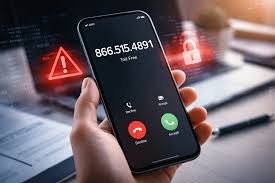
We have all been there. You are in the middle of a busy day, and your phone buzzes. You glance at the screen, and an unfamiliar number appears. It is 866.515.4891. Your first instinct might be curiosity. Your second might be annoyance. In a world where our phones never stop ringing, a call from an unknown number can feel like a digital ambush.
I know that feeling well. A few years ago, I found myself hesitating to answer calls from numbers I did not recognize. It became a guessing game. Was it a legitimate business, a debt collector, or something more sinister? The number 866.515.4891 is one that has appeared on many caller ID screens across the country. Understanding what this number represents is the first step in taking control of your peace of mind.
This article is your complete guide. We will break down who typically uses this number, why they might be calling, and exactly how you should handle it. Whether you have missed a call from 866.515.4891 or are proactively protecting yourself from spam, you will find the clarity you need here. Let us cut through the noise and get to the facts so you can decide your next move with confidence.
Decoding the 866 Area Code: What It Really Means
Before we dive into the specifics of 866.515.4891, it helps to understand what an 866 number is. This is not a traditional area code tied to a specific geographic location like New York or Los Angeles. Instead, 866 is a toll-free prefix.
Toll-Free Numbers Are Not Always Business Headquarters
When you see 866, your mind might think of large corporations and customer service hotlines. That is partly correct. Businesses use toll-free numbers to appear established and to allow customers to call without incurring charges. However, it is crucial to remember that anyone can rent a toll-free number. They are widely available online for a small fee.
This accessibility is a double-edged sword. Legitimate companies use them for convenience. But scammers and aggressive telemarketers also use them to mask their true location and appear more credible. So, while 866.515.4891 could be a legitimate business line, the toll-free prefix alone does not guarantee authenticity.
Why Businesses Choose Numbers Like This One
Companies often choose toll-free numbers for specific campaigns or departments. For example, a debt collection agency might use a number like 866.515.4891 to manage inbound calls from clients. A financial institution might use it for a fraud alert department. The anonymity of the number allows them to centralize communications without revealing their physical office location.
The key takeaway here is that the number itself is a tool. Its purpose depends entirely on who is wielding it. Your job is to determine whether the entity behind 866.515.4891 has a legitimate reason to contact you.
Who Is Behind 866.515.4891? Uncovering the Source
This is the question that matters most. Identifying the caller behind 866.515.4891 can be tricky, but you have powerful tools at your disposal.
Common Associations with This Number
Based on widespread user reports and public databases, 866.515.4891 is frequently associated with debt collection activities. Several financial service companies and third-party collection agencies use this number to contact individuals regarding outstanding debts. It may also be linked to account verification processes for credit cards, loans, or retail credit accounts.
In some cases, it is used by companies for customer service follow-ups. If you have recently applied for a loan, made a large purchase, or have an account in collections, this number might appear as part of that process. However, it is also flagged in many online forums as a persistent caller that leaves vague voicemails, which is a common tactic used by automated dialing systems.
How to Verify the Caller Safely
My advice is always the same: do not engage directly with an unknown caller until you have verified their identity independently. If you see a missed call from 866.515.4891, here is a safe way to proceed.
First, do not call the number back immediately. Instead, perform a quick online search. Type the full number into a search engine. Look for results from consumer protection sites, community forums, and the official websites of financial institutions. Often, you will find that other people have reported their experiences with the same number.
Second, check your own records. Have you recently missed a payment on a credit card, medical bill, or personal loan? If so, the call may be related. Look up the customer service number on your most recent billing statement—not the number that called you—and call that official line to inquire if they have been trying to reach you.
Why Are They Calling You? The Most Likely Reasons
If 866.515.4891 is on your call log, it usually falls into one of a few categories. Understanding these can help you determine how to respond.
Debt Collection and Account Management
The most common reason for a call from this number is debt collection. A collection agency may have been contracted to recover a past-due balance. Alternatively, it could be the internal collections department of a bank or credit card company. They are required by law to attempt to contact you to resolve the debt.
These calls can feel stressful, but they are often legitimate. If you recognize the debt, it is usually in your best interest to address it rather than ignore it. Ignoring the calls does not make the debt disappear. It can lead to further collection actions, including potential legal steps.
Fraud Alerts and Account Verification
Another possibility is that your bank or credit card issuer is trying to verify a recent transaction. Financial institutions monitor accounts for suspicious activity. If they see an unusual purchase, they may call to confirm it was you. In this case, 866.515.4891 might be their fraud department’s toll-free line.
This is a scenario where you would want to answer or call back. However, you must use extreme caution. Scammers often pose as fraud departments. The safe approach is to hang up and call the number on the back of your credit or debit card. If the alert is real, the customer service representative will be able to see the note on your account.
Telemarketing and Sales Calls
Sometimes, a call from a toll-free number is simply a sales pitch. Companies buy lists of leads and use auto-dialers to call potential customers. These calls can be annoying, but they are generally harmless if you know how to handle them.
If 866.515.4891 is a telemarketer, you have the right to ask to be placed on their internal do-not-call list. You can also register your number on the National Do Not Call Registry to reduce these types of calls over time. Remember, legitimate telemarketers are required to respect this request.
How to Handle Calls from 866.515.4891
Knowing how to respond when this number appears can save you time, money, and frustration. Here is a step-by-step approach.
When You Should Answer
You might decide to answer if you are expecting a call from a financial institution or if you have an active account that you know is in good standing. Answering allows you to quickly determine the caller’s intent. If you pick up and it is a recorded message or a representative asking for sensitive information immediately, be on high alert.
If you answer, do not provide any personal details right away. Ask for the caller’s name, company name, and a callback number. Then, tell them you will call them back after verifying their information through official channels. A legitimate caller will understand and respect this cautious approach.
When to Let It Go to Voicemail
If you do not recognize the number and are not expecting any important calls, letting it go to voicemail is often the safest and easiest choice. Legitimate businesses will leave a detailed message. They will state their name, the company they represent, and the purpose of their call.
A vague voicemail that simply says, “This is an important call, please call us back at 866.515.4891,” is a red flag. Scammers and aggressive collection agencies often use this tactic to create a sense of urgency. Do not feel pressured to return these vague calls. If the matter is truly important, they will make their identity clear.
Your Rights Under the Law
You have rights when it comes to phone calls, especially from debt collectors. The Fair Debt Collection Practices Act (FDCPA) prohibits collectors from using abusive, unfair, or deceptive practices. They cannot call you before 8 a.m. or after 9 p.m. without your permission. They cannot harass you with repeated calls meant to annoy you.
If 866.515.4891 is a debt collector, you have the right to request written validation of the debt. You can also send a cease-and-desist letter asking them to stop contacting you. Knowing these rights empowers you to handle the situation without fear. If you feel a caller is violating these rules, you can file a complaint with the Consumer Financial Protection Bureau (CFPB) or the Federal Trade Commission (FTC).
Protecting Yourself from Phone Scams
While many calls from 866.515.4891 may be legitimate, the reality is that phone scams are rampant. You must always prioritize your security.
Red Flags to Watch For
There are several clear signs that a call is a scam. If the caller uses high-pressure tactics, demands immediate payment, or threatens you with arrest, it is a scam. No legitimate business or government agency will demand payment via gift cards, wire transfer, or cryptocurrency. That is a universal sign of fraud.
Another red flag is if the caller asks for your Social Security number, bank account details, or credit card information over the phone. Legitimate companies already have this information if you have an existing account. They will not call you out of the blue to ask for it. If you are unsure, hang up and call the official customer service number yourself.
Using Technology to Your Advantage
You do not have to face unwanted calls alone. Modern smartphones have built-in features to help. On an iPhone, you can silence unknown callers. On Android, you can enable caller ID and spam protection. These features send calls from unknown numbers straight to voicemail.
You can also use third-party apps designed to block spam calls. These apps maintain databases of reported scam numbers. If 866.515.4891 is flagged by many users, the app will automatically block it or label it as “spam risk.” This is a great way to reduce the mental load of dealing with unwanted calls.
The Power of the Do Not Call Registry
Registering your phone number with the National Do Not Call Registry is a simple but effective step. It is free and easy to do online. Once your number is on the list for 31 days, legitimate telemarketers are prohibited from calling you.
Keep in mind that this registry does not block calls from political organizations, charities, or companies you have an existing business relationship with. It also does not stop scammers, who ignore the law. However, it does reduce a significant portion of unwanted sales calls, making it easier to identify which unknown calls might be important.
A Personal Perspective on Managing Unknown Calls
I used to let unknown calls ruin my day. I would see a number like 866.515.4891 pop up, and my heart would race. I spent too much time worrying about who was calling and what they wanted. It felt like an invasion of my personal space.
Then, I changed my strategy. I decided to take control. I set up a simple rule: if I do not recognize the number, I do not answer. I let it go to voicemail. If the caller is legitimate, they leave a clear message. If they do not, I assume it is not important. I also started using my phone’s “silence unknown callers” feature, which gave me back hours of mental peace each week.
This approach does not mean you ignore legitimate responsibilities. If you suspect the call is about a genuine debt or a security alert, you take proactive steps—but you do so on your terms. You call the verified number from your official records. This shift from reactive to proactive management transformed how I feel about my phone. It is a small change that can make a big difference.
Frequently Asked Questions
1. Is 866.515.4891 a scam number?
It is not definitively a scam number, but it is frequently reported as a debt collection line. Whether it is a scam depends on the caller’s behavior. If they demand immediate payment via gift cards or threaten you, it is a scam. If they are attempting to collect a legitimate debt you recognize, it is likely a legitimate collector.
2. Should I call 866.515.4891 back?
It is safer not to call the number back directly. Instead, if you are concerned the call might be legitimate, look up the official customer service number for any financial accounts you have. Call that official number and ask if they have been trying to reach you.
3. How do I stop calls from 866.515.4891?
You can block the number directly on your smartphone. If it is a debt collector, you can send a written request for them to cease communication. If it is a telemarketer, ask to be placed on their internal do-not-call list and ensure your number is on the National Do Not Call Registry.
4. What if I owe money and 866.515.4891 is calling?
If you owe a debt, ignoring the calls will not make it go away. It is best to address the debt. Contact the original creditor using the number on your statement to confirm the debt and discuss payment options. Never give payment over the phone to an unverified caller.
5. Can a debt collector call me at work?
Debt collectors are generally prohibited from calling you at work if you inform them that your employer does not allow such calls. Once you tell them this, they must stop calling your workplace. This is a right protected under the Fair Debt Collection Practices Act.
6. Why does 866.515.4891 keep calling and hanging up?
This is a common tactic used by auto-dialer systems. These systems dial multiple numbers at once. When you answer, it may take a moment to connect you to a live agent. If no agent is available, the system hangs up. This is frustrating but often indicates a high-volume call center.
7. What information should I never give to a caller?
Never give your Social Security number, full bank account details, credit card numbers, or passwords to an unsolicited caller. Legitimate businesses will not ask for this information in an inbound call. If in doubt, hang up and call a verified number.
8. How can I verify if a debt is real?
If a collector contacts you, you have the right to request a “validation notice” in writing. This notice must state the amount of the debt and the name of the original creditor. Do not acknowledge the debt or make a payment until you receive this written validation.
Conclusion
A call from 866.515.4891 does not have to be a mystery or a source of stress. By understanding what toll-free numbers represent, you can approach the situation with a clear head. Remember, this number is most commonly associated with debt collection, account verification, or telemarketing. Your response should always prioritize your safety and your rights.
The best approach is simple. Do not answer unknown numbers. Let them leave a voicemail. Verify any claims by contacting the company directly using a number you trust. Know your legal rights, especially if you are dealing with debt collectors. Use the technology available to you to filter out spam.
Ultimately, your phone is a tool for your convenience, not a leash that others can pull. You have the power to decide who gets your time and attention. The next time 866.515.4891 appears on your screen, you will know exactly how to handle it. Have you had an experience with this number or another persistent caller? Share your story below—your insight could help someone else in the same situation.